
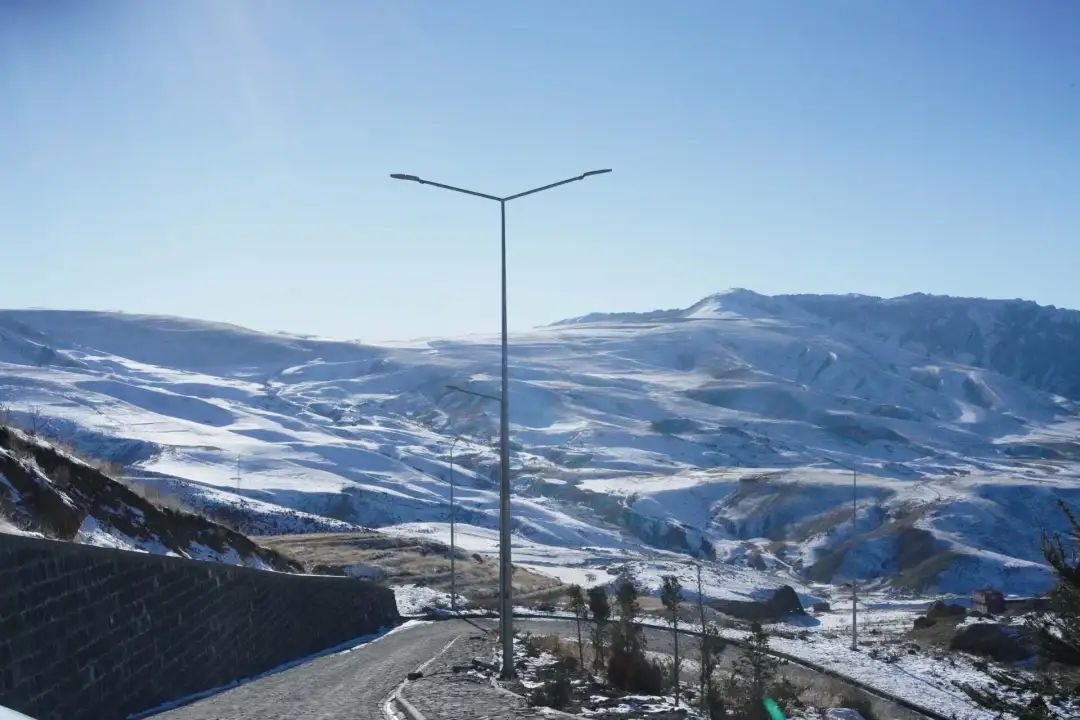


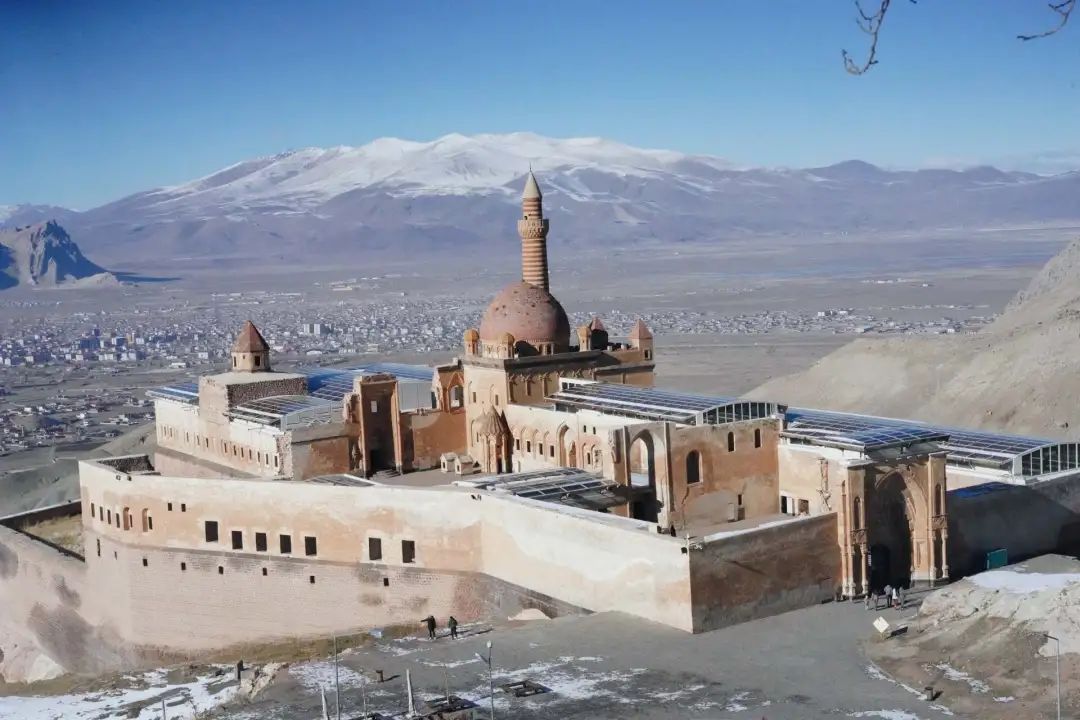
Mount Ararat in eastern Türkiye is where geology meets eschatology. A volcano that once spewed ash now exhales legends. Across millennia, every generation Sumerian, Urartian, Armenian, and modern tourist alike has reimagined it as a sacred center.
📖 The Bible itself seems to pause here. After forty rain-soaked days, it is on Ararat’s stones that Noah’s Ark is said to have come to rest once the floodwaters receded.
🧗♂️ Each July, Kurdish guides lead mixed groups of Turkish botanists, American evangelicals, and diaspora Armenians along the well-worn Doğubayazıt route.
🌲 At 3,200 m, the tree line collapses into alpine tundra.
🫁 At 4,100 m, the air thins to half its sea-level oxygen.
⛪ The summit crater, 180 m across and crowned with cornice snow, feels like a cathedral nave open to the heavens.
🚩 Pilgrims plant flags:
🇹🇷 Türkiye’s crescent
🇦🇲 Armenia’s tricolor
🏳️🌈 The rainbow banner of ecumenical reconciliation
🚮 They also leave behind plastic water bottles and, occasionally, fragments of walnut wood presented as hopeful relics of the Ark, known as “Ararat timber.”
🧪 Geologists note that any such gopher wood, if truly 4,300 years old, would have long mineralized into stone.
🙏 The faithful reply that miracles, by definition, mock the lab report.


