
#WalkerS2 – The World's First #HumanoidRobot Capable of Autonomous Battery Swapping.
— UBTECH Robotics (@UBTECHRobotics) July 17, 2025
→ Anthropomorphic Bipedal Locomotion → Autonomous hot-swappable battery system→ Autonomous battery swapping, 24/7 continuous operations
Swarm Intelligence 2.0 is coming soon! pic.twitter.com/gDyLWrgG25
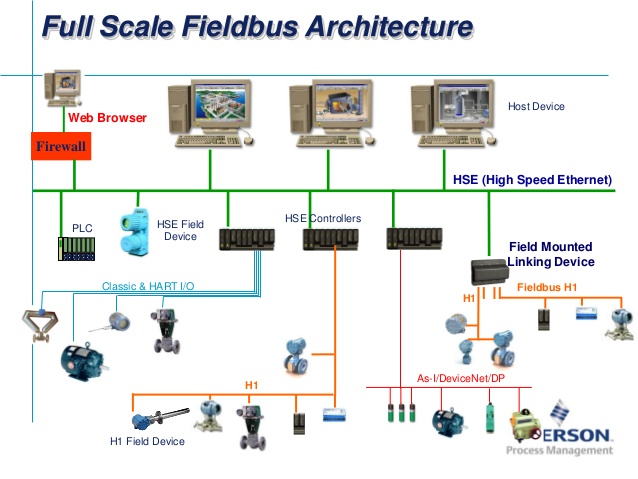
For decades, industrial automation has been shackled by Fieldbus systems controlled by Western corporations: complex, cable-heavy networks governed by proprietary protocols, rigid architectures, and costly vendor lock-in.
By deploying ultra-dense 5G Advanced (5G-A) networks nationwide, China isn’t just upgrading connectivity. It’s turning wireless itself into the central nervous system of smart factories. Here’s why this changes everything:
⚡ 1. Connectivity Is the Control Layer
5G-A’s ultra-reliable low-latency communication (uRLLC) now delivers sub-1ms latency and 99.9999% reliability, matching or exceeding wired fieldbus performance. Real-time control no longer lives in closed-loop cables made by Siemens; it rides the airwaves.
🤖 2. Plug-and-Play Industrial Devices
Robots, AGVs, and humanoids join the network like smartphones on cellular:
No rewiring: Machines roam freely, unbound by Ethernet cables.
Zero protocol translation: Native IP communication erases CANopen/Profinet/Modbus gateways.
Instant onboarding: Authenticate via SIM/eSIM, and the network dynamically allocates resources.
🪫 No More Royalty Traps: Open 3GPP standards replace proprietary protocol stacks.
🔓 Vendor Lock-in Crumbles: Mix and match robots, sensors, and PLCs without compatibility purgatory.
📈 Infinite Scalability: Spin up 1,000 AGVs without recabling a single production line.
Why China? Scale + Speed + Sovereignty
🌐 Dense Deployment: Factories in Shenzhen, Shanghai, and beyond already operate in contiguous 5G-A coverage zones. ⏱️ First-Mover Aggression: State-backed rollout prioritizes industrial 5G over consumer use cases. 🔋 Ecosystem Leverage: Huawei, ZTE, and local robotics giants (like Siasun) co-design hardware/network layers.


