
🌊 The Headlines
BBC, Al Jazeera, SCMP all covered China’s announcement of the Yarlung Tsangpo hydropower project in Tibet. They noted:
- It will be the largest hydropower project in the world.
- India is nervous about downstream water flows.
- Environmentalists worry about landslides, earthquakes, and biodiversity loss.
All true. But they missed the biggest point:
China is about to add the electricity equivalent of the entire United Kingdom for less than $170 billion.

📊 The Scale in Context
- Capacity: ~300 billion kWh/year, the UK’s annual consumption.
- Cost: US$167–$170 billion.
- Comparison:
- UK’s Hinkley Point C nuclear plant → ~$60 billion, meeting only ~7% of UK demand.
- US’s Vogtle nuclear expansion → $30+ billion, 7 years late, 17 billion over budget.
- China is delivering 14× the UK’s new nuclear output for under 3× the price.
🏭 Industrial Power Shift
- Hydropower is baseload + low operating cost once built.
- Cheap electricity = competitive advantage in steel, aluminium, chemicals, semiconductors, data centres.
- China already produces more electricity than the US + EU combined and some of the cheapest in the world.
- HVDC transmission from Tibet will funnel this cheap energy into China’s industrial heartlands.
🌏 Geopolitics: The Water Lever
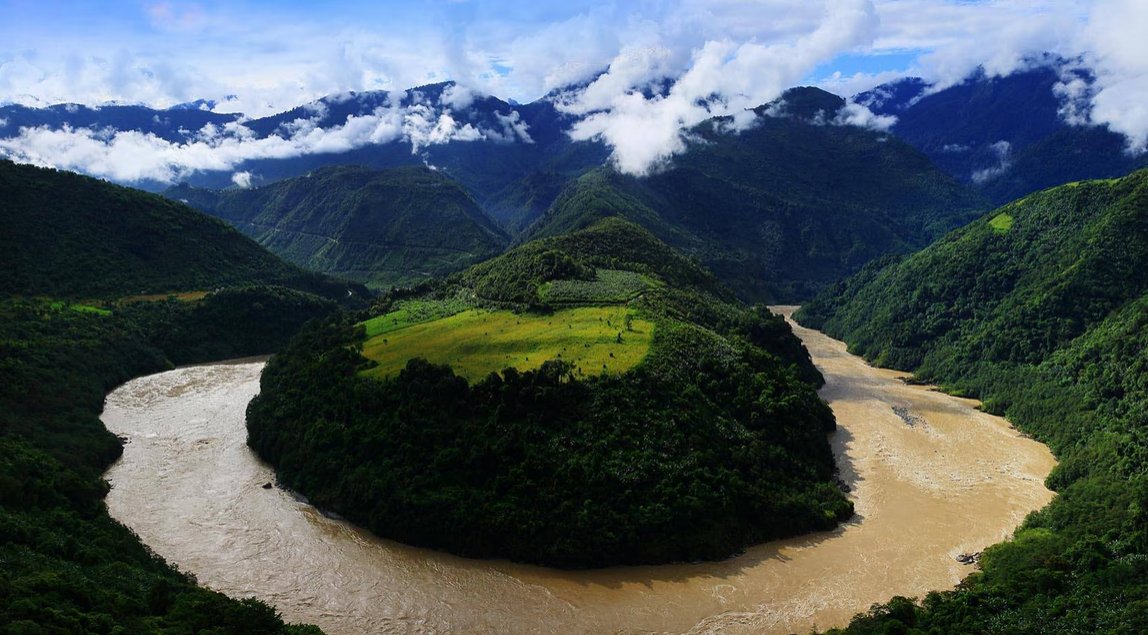
- The Yarlung Tsangpo becomes the Brahmaputra in India and Bangladesh.
- Large upstream control means China can regulate flows, intentionally or not.
- There is no binding water treaty for the Brahmaputra which creates strategic anxiety in New Delhi and Dhaka.
- Even perception of “water weaponization” alters Indian military and infrastructure planning.
🌱 Environmental & Engineering Risks
- Steep canyons and a seismic zone create high risk of landslides, earthquakes, tunnel failures.
- Region is a biodiversity hotspot; damming could fragment habitats and displace communities.
- Social and ecological costs could trigger NGO campaigns and affect financing.
📈 Strategic Ripple Effects
- Expect acceleration of Indian dam projects as a counter-move.
- Likely Chinese industrial policy alignment toward energy-intensive manufacturing expansion.
- State-owned contractors and materials firms will see windfalls, with risks largely socialized.
💡 The Real Story
This is not just the biggest dam ever. It is a strategic energy-security play:
- Decades of ultra-cheap, reliable power.
- Permanent downward pressure on Chinese manufacturing costs.
- A new lever in South Asian geopolitics.
When the spillways open, it will not just light up homes. It will shift competitive economics, industrial geography, and water politics across half the planet.
🔍 Perspective Check
Great Britain’s entire power demand → $170B.
UK’s biggest nuclear project → $60B for 7% of demand.
The US’s newest nuclear unit → $30B for ~2.7M customers.


