Global Empire Dashboard

We Are Closed. Australia has become corrupted by a corrosive mix of nihilism and embraced a radical liberal ideology that celebrates the rejection of anything from the past that could stabilise society including any inheritance of previous forms of culture. You just have to look at the abuse thrown towards our staff in the past few years to realise this, what is old is no longer deemed necessary & indeed something that must be replaced. We had no choice but to close.

Welcome to Foodstar

🎶 Taylor Swift’s Love Life & Songbook 📖❤️A timeline of boyfriends, breakups, and the iconic songs they inspired from high-school crushes to stadium lights.

1. Drew Dunlap – early high school 🎓💔

Song: “Tim McGraw” 🎶
A wistful goodbye to a summer love ending as he leaves for college; she hopes hearing “Tim McGraw” will always remind him of her.


2. Jordan Alford – high school ex 🚗🔥

Song: “Picture to Burn” 🔥
Fiery break-up anthem aimed at a cocky, lying redneck ex; she gleefully lists every reason she’s torching the memory of him.


3. Sam Armstrong – cheated on her 💔🚫

Song: “Should’ve Said No” 🚫
A scathing call-out to the boyfriend who cheated; the chorus hammers home that a simple “no” could have saved them both.


4. Joe Jonas – summer 2008 ☎️🎤

Song: “Forever & Always” ⏱️
Rapid-fire piano pop that captures the sting of his 27-second break-up phone call and the whiplash of promises turned to dust.


5. Taylor Lautner – late 2009 ❄️🦋

Song: “Back to December” ❄️
A rare apology song; she regrets letting a sweet, caring guy slip away and wishes she could rewind to the snowy night she hurt him.


6. John Mayer – late 2009/2010 🎸🕳️

Song: “Dear John” 🎤
Slow-burning six-minute takedown of an older, manipulative ex who strung her along with twisted mind games.
Song: “The Story of Us” 📖 also reflects the fallout.


7. Jake Gyllenhaal – late 2010 🧣🍂

Song: “We Are Never Ever Getting Back Together” 🚪
Bubbly, chant-along pop kiss-off to his yo-yo romance; she slams the door on their endless on-and-off cycle.
Song: “All Too Well” 🧣 dives into the raw heartbreak of their brief but searing relationship.


8. Conor Kennedy – summer 2012 🏞️☕

Song: “Begin Again” 🌅
Gentle café-ballad about cautiously opening her heart to a new guy after the bruises of past love.

9. Harry Styles – late 2012–early 2013 🌪️✨

Song: “Style” 😎
Sleek, synth-laced ode to the magnetic pull she still feels for a stylish ex whose “James Dean” looks and reckless charm keep them orbiting back.
Song: “Out of the Woods” 🌲 chronicles the anxiety and turbulence of their whirlwind romance.


10. Calvin Harris – 2015–June 2016 🎧💔

Song: “I Don’t Wanna Live Forever” 🌙
Brooding duet about craving an ex who’s already moved on; mirrors the messy end with him.
Song: “Getaway Car” 🚗💨 (indirectly) tells how she used a rebound to escape this relationship, only to crash later.


11. Tom Hiddleston – June–Sept 2016 🎭🇬🇧

Song: “Getaway Car” 🏎️
Noir-ish story of using a rebound fling to escape another relationship and realizing the getaway car always crashes.


12. Joe Alwyn – 2016–early 2023 🇬🇧❤️

Song: “Lover” 💍
Dreamy, romantic waltz that paints six years together as a golden, private world built for two.
Song: “Cruel Summer” ☀️ channels the delirious thrill of falling for him in secrecy.
Song: “So Long, London” 🌧️ is a haunting elegy to the quiet unraveling of their relationship; she walks alone through the city that once felt like home.


13. Matty Healy – May–June 2023 fling 🎤🥀

Songs: The Tortured Poets Department ✒️📜
Lyrically dense and conflicted, reflecting a whirlwind fling full of chaos, self-destruction, and fascination.


14. Travis Kelce – late 2023–present 🏈✨
Engaged soon to be Husband

Song: “The Alchemy” 🏆
Packed with football metaphors (touchdowns, trophies, winning streaks) mirroring his Super Bowl season and their budding romance.
Song: “So High School” 🏫🎸
Nostalgic pop-rock rush that captures the giddy, teenage-movie vibe of their early days together, complete with a playful nod to Kelce’s old “marry-kiss-kill” interview answer about her.

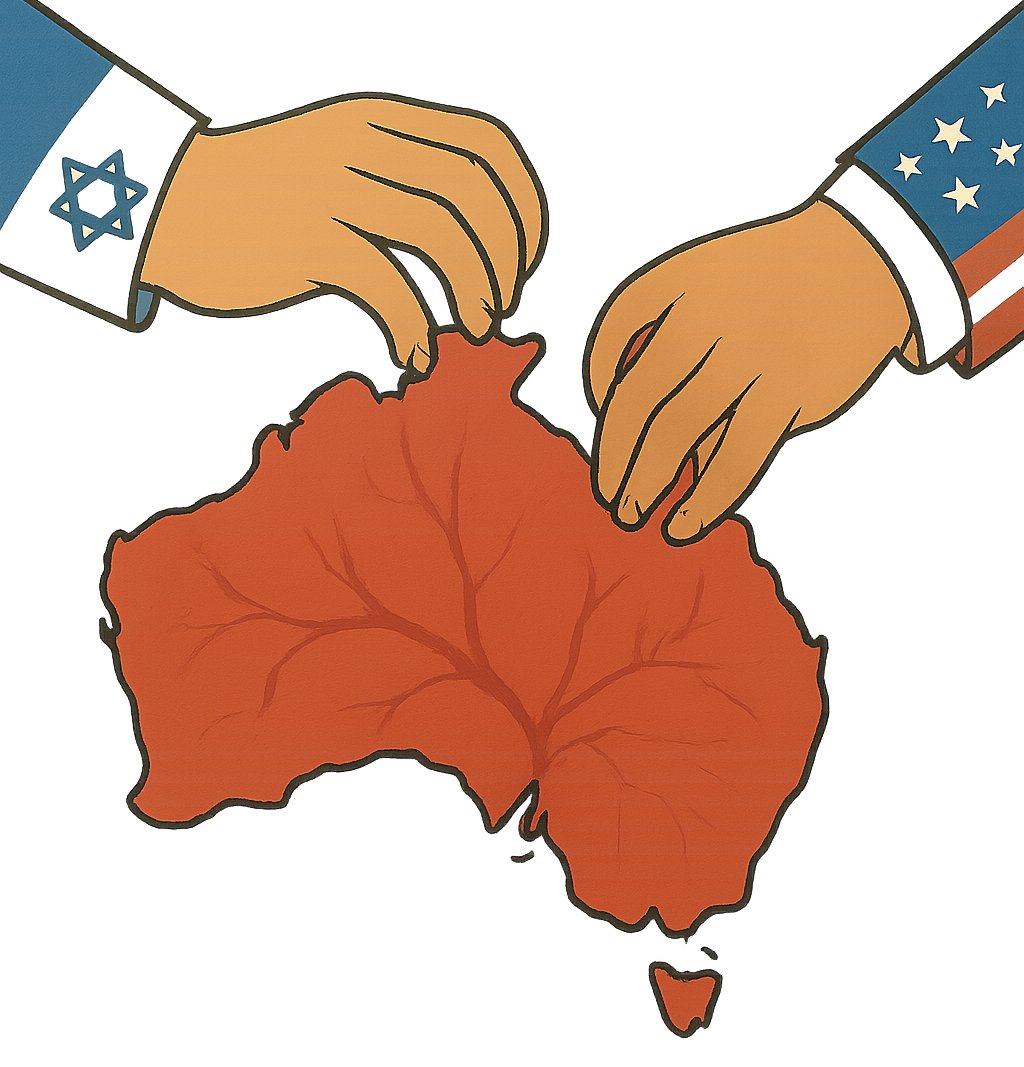
While accusations of anti-Semitic attacks by Iran may have a protective veneer, the direct security benefit to the local community is limited.

Politically, these accusations are often leveraged to normalize interventionist foreign policy ie. to prepare the ground for Australian involvement in a potential war with Iran.

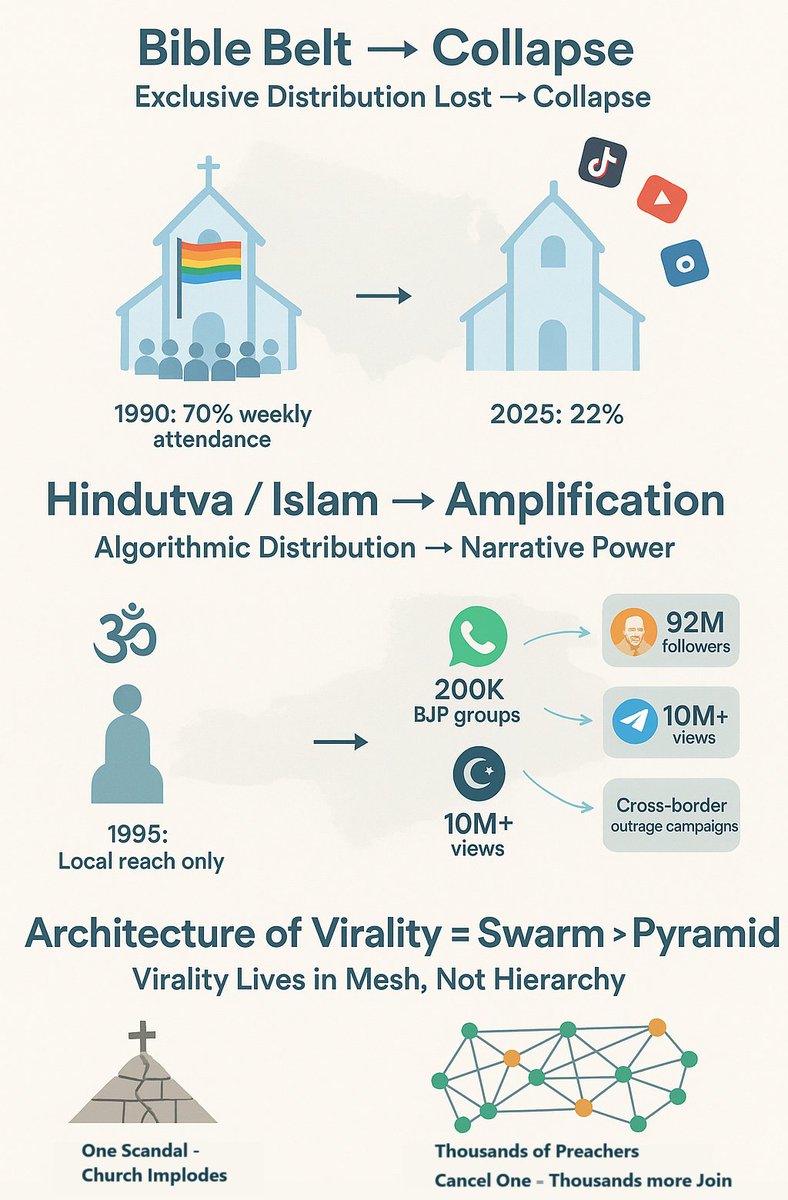
🌐 The Great Internet Flip: How the Same Wires That Hollowed Out the Bible Belt Super-Charged Hindutva and Political Islam

🕍 In rural Alabama, empty pews signal the decline of Christianity.
🕌 In South Asia and the Middle East, digital platforms are fueling Islamic revival.
🕉️ In India, Hindutva nationalism thrives in WhatsApp groups and meme wars

It isn’t divine intervention; it’s incentives + architecture. Where religion was a monopoly, the internet introduced competition and people walked.
Where religion was an underdog insurgency, the net handed it distribution at scale and people eagerly adopted its teachings.

1. 🏛️ How the Bible Belt Churches Lost Its Lock-In

• For decades, Southern churches were the establishment the default authority in faith, community, and politics.
• But higher education + the internet exposed young Southerners to alternatives: secular ethics, pluralism, new lifestyles.
• Once the monopoly broke, belief collapsed.
👉 Religion lost its grip precisely because it was the default.

Old World (Pre-Internet)New World (Post-Internet)
One pastor → one town50 YouTube apologists → one feed
3 TV channels defer to church📺 3M subreddits roast evangelicals
“Because I said so” authority🎥 Netflix exposes scandals in high-def
Church = social hub + dating pool❤️‍🔥 Tinder, Discord, Peloton replace every function

The internet didn’t kill God. It turned faith into a commodity. 📱 TikTok exvangelicals livestream their deconversions
Once salvation had to compete in the open market, streaming, therapy culture, and parasocial communities outbid the church.
Weekly attendance: 1990 → 70% 2025 → 22%.

2. 🚀 Algorithmic Megaphone: Global Ummah Islam & Hindutva 2.0

Islam

  • Before → Friday khutbah filtered by state-approved imam
  • After → Mufti Menk reels hit 10M views; Telegram groups mobilize Dua campaigns within minutes of Gaza headlines
  • Narrative shift → “The West is lying about us again
  • Virality hack → outrage travels Jakarta → Istanbul → Dearborn in one retweet.

Hindutva

  • Before → RSS shakhas: 20 men in a park at 6 am
  • After → Modi’s 92M Twitter followers + 200K BJP WhatsApp groups = every smartphone becomes a pocket shakha
  • Narrative shift → “Global CEOs with Hindu names prove civilizational greatness
  • Shares faster than fact-checks can load.

3. 🎓 One Internet, Two Curricula

American CampusesIndian & Muslim-Majority Campuses
Critical theory, gender studies, evolutionary biologyIITs + Aligarh Muslim U = STEM maximalism, conservative humanities
Dorms teach pluralism & doubtDorms teach pride & grievance
Outcome → “Religion? Meh.”Outcome → “Religion? Weaponize it.”

The same login leads to completely opposite operating systems.

  • Southern Christians thought the net would spread the gospel to every nation.
    → It did. But it also let every nation fact-check the gospel.
  • Islamists & Hindutva feared the net would westernize their youth.
    → It did. Then the youth used those same tools to western-proof their identities.

4. ⚖️ Authority Architecture: Pyramid vs. Swarm

  • Church → Pyramid. One pastor’s scandal = brand collapse.
  • Islamic & Hindu influencers → Swarm. 10,000 micro-preachers. Cancel one, 9,999 keep pumping.

The internet punishes hierarchy but rewards swarm behavior. Guess which religions were natively swarm-compatible?

5. 🗳️ State Power as UX: Faith Becomes the Interface

  • 🇺🇸 Southern Evangelicals → married to GOP → culture-war fatigue
  • 🇮🇳 Hindutva → married to BJP → wins feel holy
  • 🌍 Political Islam → resisting the “West” → virality feels heroic, the Ummah lives on

The algorithm amplifies whoever makes faith feel like participation.

Most Profitable Films Ever (Theatrical + Downstream Revenue)

Shown with estimated downstream revenue (home-video, TV, music, merchandise, theme parks)

RankFilm💰 Worldwide Gross 2025 inflation adj.🎬📀🎶🎢 Est. Downstream Revenue🏆 Est. Net Profit
1 🇺🇸Avatar (2009)$2.92 B$2.3 B (DVD/BD, 3D TV, merch, Pandora – Animal Kingdom)≈ $1.56 B
2 🇺🇸Avengers: Endgame (2019)$2.80 B$1.4 B (EST/VOD, Disney+, licensing, merch)≈ $0.99 B
3 🇨🇳Ne Zha 2 (2025)$2.20 B$600 M (China digital, TV, soundtrack, toys, theme-parks in planning)≈ $0.91 B
4 🇺🇸Frozen (2013)$1.29 B$1.9 B (DVD/Blu-ray, TV, soundtrack 10× platinum, merch > $5 B retail, Frozen Ever After ride)≈ $0.80 B
5 🇺🇸Avengers: Infinity War (2018)$2.05 B$1.1 B (merchandising, licensing)≈ $0.76 B
6 🇺🇸Titanic (1997)$2.26 B$1.7 B (home-video reissues, TV, soundtrack)≈ $0.73 B
7 🇺🇸The Avengers (2012)$1.52 B$1.0 B (merchandising, streaming/licensing)≈ $0.71 B
8 🇺🇸Jurassic World (2015)$1.67 B$900 M (merchandise, home-video, TV rights)≈ $0.70 B
9 🇺🇸Avatar: The Way of Water (2022)$2.32 B$1.0 B (early digital, 3D Blu-ray, Disney+ window)≈ $0.69 B
10 🇺🇸Spider-Man: No Way Home (2021)$1.92 B$900 M (home-video, merch, streaming licensing)≈ $0.68 B

Notes:

  • 💰 Worldwide Gross: Box office revenue from theatrical release.
  • 🎬📀🎶🎢 Downstream Revenue: Home-video, TV licensing, streaming, music, merchandise, theme parks.
  • 🏆 Net Profit: (worldwide gross + downstream revenue) – (production budget + P&A + distribution fee)

Twenty years ago, 🇨🇳 China’s stock markets were only a third the size of the 🇬🇧 British Commonwealth. Today, the tables have turned.

🇨🇳 China SE Total Stock Market values August 2025

EntityMarket Cap
China (SSE + SZSE)$19.36 T
Hong Kong (HKEX)$0.95 T
China + Hong Kong≈ $20.3 T
Commonwealth (Top 5)≈ $15.9 T
Full Commonwealth (56 nations)≈ $18.5 T

Source https://www.marketcapwatch.com/all-countries/

🇬🇧 British Commonwealth nations SE Total Stock Market values August 2025

CountryMarket Cap
India$5.21 T
United Kingdom$4.23 T
Canada$3.64 T
Australia$1.98 T
Singapore$0.83 T
Other 40+ members≈ $2.6 T

🎯 The Bottom Line

  • China + Hong Kong: ≈ $20.3 T
  • Commonwealth (56 nations): ≈ $18.5 T

🚨 Historic first: Empire 3.0 (China) has officially overtaken Empire 1.0 (British Commonwealth).

EmpireFlagCore Narrative2025 Cap2005 Cap
Empire 1.0🇬🇧 CommonwealthSteam & Colonies≈ $18.5 T≈ $11 T
Empire 2.0🇺🇸 United StatesOil & Silicon $67.8 T≈ $15 T
Empire 3.0🇨🇳 ChinaRobots & Renewables≈ $20.3 T≈ $3.5 T

📉📈 The Déjà-Vu Ratio

YearEmpire 3.0 (China + HK)Benchmark EmpireRatio
2005≈ $3.5 TCommonwealth ≈ $11 T≈ 30%
2025≈ $20.3 TUSA ≈ $67.8 T≈ 30%

The echo: still ~30% — but the reference empire shifted from Commonwealth → United States.

🌊 The British weep over losing Hong Kong: the Pearl of the Orient, but the real prize of Empire may have been 🇵🇰 Pakistan. 🇺🇸 (Biden): Were there not an Israel, the US would have to invent Israel. 🇨🇳 Were there not a Pakistan, China would have to invent Pakistan.

🛡️ Geopolitical Corridor
From the Khyber Pass ⛰️ to the Arabian Sea 🌊, Pakistan anchors the one corridor that unites Central Asia, the Middle East, and the Indian Ocean.

For land powers like 🇨🇳 China, it is indispensable the missing link in breaking free from maritime chokeholds like the Malacca Strait 🚢, long dominated by 🇬🇧 British and 🇺🇸 American sea power.

Pakistan’s non-secular Muslim identity, though turbulent, is more cohesive in aligning state and military objectives than India’s fragmented caste-based social structure and rising Hindu nationalist politics.

💎 Underground Wealth

  • Reko Diq ⛏️ — the richest undeveloped copper-gold orebody on Earth.
  • A treasure chest 🪙 of untold trillions in copper and gold, a resource base as strategic as oil 🛢️ itself.
    🔗 Reko Diq article

☢️ The Nuclear Gamechanger (1998)

  • When 🇮🇳 India tested nuclear weapons, it gave 🇵🇰 Pakistan political cover to do the same.
  • That single decision changed the regional balance forever.
  • Nuclear deterrence 💣 meant Pakistan could never be occupied by a foreign power.
  • It forced 🇺🇸 America to treat Islamabad as a sovereign peer, negotiating access to Gwadar Port ⚓ and even Reko Diq ⛏️ on Pakistani terms.

🌐 CPEC & The End of Chokepoints

  • With nuclear sovereignty secured, the China–Pakistan Economic Corridor (CPEC) 🛤️ became politically feasible.
  • Gwadar ⚓ gives Beijing an overland lifeline from Xinjiang 🏔️ to the Persian Gulf 🌊.

🇦🇺 Australia’s Two-Front Foreign Policy Strangulation: Jerusalem in the Indonesian direction, Rudd in Washington

Australia’s diplomacy is being squeezed from two directions.
One noose in the North: Jerusalem’s grip on Muslim Indonesia.
One noose in the East: Kevin Rudd’s standoff with Donald Trump.

1️⃣ The Northern Noose: Jerusalem & Muslim Indonesia

In October 2018, Scott Morrison floated moving the Australian embassy to Jerusalem. Within 72 hours, Indonesia froze the IA-CEPA trade deal.

Frozen overnight:
🥩 575,000 tonnes tariff-free beef
🌾 500,000 tonnes wheat (zero tariffs)
🎓 15,000 student visas
💼 A$9.4b services access

Morrison backed down. Fast forward to 2025 the same playbook:

After the Rothman visa ban, Jakarta warned DFAT:

“Any embassy relocation will trigger review of IA-CEPA and the A$2b education partnership.”

Netanyahu mocked Albanese as “weak” on X. Translation: Jerusalem holds the Indonesian tap.

2️⃣ The Eastern Noose: Rudd & Trump

In December 2023, Kevin Rudd scrubbed his old blog calling Trump a “village idiot.” Too late. Trump told aides: no Albanese meeting while Rudd remains ambassador.

Frozen in Washington:
🛠️ Steel & aluminium tariff exemptions
⚓ AUKUS waivers at the National Security Council
🤝 Albanese’s White House visit

Rudd, the first PM dumped by his own party now risks becoming the first ambassador dumped the same way. 👉 Immovable object vs unstoppable force.

3️⃣ Canberra’s Unforced Errors

🤦 Morrison’s Jerusalem stunt handed Netanyahu leverage through Jakarta.
🤦 Albanese keeping Rudd in DC handed Trump a personal veto.

Both mistakes were avoidable.
Both mistakes are now structural.

Australia is adrift as the only Five Eyes country denied Trump access.

🏚️ When the House of Confidence Cracks. How the Twin Towers of the Liberal Establishment: the Press and the University Are Facing Their Own 9/11 Moment

📰 + 🎓 Two Institutions, One Collapse

For decades, we grew up with two quiet assumptions:

  1. The newsroom was a watchdog.
  2. The university was an engine of opportunity.

Think of them as the “twin towers” of the liberal establishment. Both were supposed to stand tall, projecting authority and stability. Today, in 2025, both towers are listing dangerously. Newsrooms bleed billions. Universities post deficits that would have been unthinkable just ten years ago.

“The twin towers of public trust are crumbling, and we are left to wonder what will rise in their place.”


📊 A Landscape of Deficits

UK Press – operating losses, 2023–24

  • Daily Mail Group: –£44 m
  • Channel 4: record losses on falling ad revenue
  • The Guardian: multimillion-pound shortfall, voluntary buy-outs
  • The Telegraph: –£245 m (questionable loans)
  • ITV: pre-tax profit down 60%
  • Sky UK: –£224 m

US Universities – operating deficits, 2023–24

  • University of Chicago: –$239 m
  • University of Arizona: –$177 m
  • Penn State system: –$140 m
  • SUNY (all campuses): –$400 m
  • University of Wisconsin: –$145 m
  • Connecticut State Colleges: –$70 m

👉 These are not outliers. They are the landmarks.

💸 Where the Money Went

Journalism:

  • Classified ads migrated to Google and Facebook.
  • Retail advertising moved to Amazon.
  • Newsrooms pivoted to celebrity gossip and viral outrage.
  • Volume couldn’t replace lost revenue.

Universities:

  • Tuition soared for 20 years.
  • Square meters skyrocketed faster: luxury dorms, athletics centers, administrative palaces.
  • Chinese students: once the golden goose of higher education, now disappearing fast

🧾 Both sectors bet on a single revenue stream and assumed endless growth. The market disagreed.

The natural reaction is to ask how elite University stewards of finance could fail at balancing revenues and expenses.
The short answer is that they believed a story, in this case, that raising education prices would always increase revenue and that any drop in domestic applicants could be offset by international students who pay full freight. Both assumptions turned out to be fragile.

⚖️ The Choice in Front of Us

For fifty years, these towers held a “license” of trust:

  • The press could speak with authority.
  • The university could certify with authority.

The reckoning now underway may hurt cherished institutions, but it also offers an overdue correction that rewards transparency and genuine civic outcomes

🪖 The West’s Indian Dilemma: Manpower Without Power

India fields one of the world’s largest armies: 1.45 million troops, bigger than the US, France, or the UK. But size doesn’t automatically translate into power projection.


📊 Numbers in Context

  • 🇮🇳 India – 1,455,550 | Independent
  • 🇺🇸 US – 1,328,000 | NATO
  • 🇰🇷 South Korea – 500,000 | US Ally
  • 🇹🇭 Thailand – 360,850 | US Ally
  • 🇹🇷 Turkey – 355,200 | NATO
  • 🇯🇵 Japan – 247,150 | US Ally
  • 🇵🇱 Poland – 202,100 | NATO
  • 🇫🇷 France – 200,000 | NATO
  • 🇬🇧 UK – 184,860 | NATO
  • 🇩🇪 Germany – 181,600 | NATO

Only China surpasses India in manpower. But India lacks NATO-style support and the financial depth to modernize at scale.

🇮🇳 Indian Soldier in the Tibetan Highlands (Siachen Glacier / Xizang)

  • Annual Maintenance Cost: ~₹10 lakh (~$12,000 USD) per soldier
  • Rotation: One brigade (5,000 men) serves 4 months, so three brigades are needed for year-round presence
    • Bottom-up estimate: ~$229M/year (pay + kit)
    • Full operational cost (airlift, logistics, infrastructure): $600–900M/year
  • Kit & Gear: 55 items per soldier, ~20 imported; one set costs ~₹1 lakh (~$1,200)
  • Siachen Allowance: ₹14,000/month (~$170)
  • Logistical Burden: Supplying a single roti (bread) costs ~₹200 (~$2.40) at Siachen

❌ Strategic Limits

  • Mountain deployments are logistically crushing and financially draining.
  • Operations in Kashmir and Tibet alone require foreign remittances of ~$100 bn from the West annually to sustain.

MasterChef vs. the Suburban Food Court: Who Really Defines Australian Taste buds?

🍲 The Shock Stat

  • Rotating kebab spits, bain-marie trays of sweet-and-sour chicken 🍗, steaming Vietnamese phở 🍜, and souvlaki wraps 🥙 fill every suburban food court.
  • Yet in 16 seasons of MasterChef Australia:
    • 0 winners from Greek or Vietnamese backgrounds
    • Only 1 Italian runner-up (Laura Cassai, S6) & 1 Lebanese winner (Larissa Takchi, S11)
  • The cooks Australians actually eat from daily counters rarely match the faces on TV.

📊 Scoreboard vs. Strip-Mall

Mall StapleMasterChef CounterpartSeasons Represented
Vietnamese phở 🍜0 winners / 0 runners-upnone
Greek souvlaki 🥙0 winners / 0 runners-upnone
Lebanese charcoal chicken 🍗1 winner (Larissa Takchi, S11)1/16
Italian pizza/pasta 🍕1 runner-up (Laura Cassai, S6)1/32
Chinese sweet-and-sour chicken 🥡0 winners / 0 runners-upnone
Anglo-American steak, roasts & burgers 🍔11 winners (Julie, Kate, Andy, Emma, Brent, Billie, Elena, Diana, Emelia, Justin, Brent Draper, Nat)11/16

🍜 What It Means for the Way We Eat

  • Every $11 phở bowl and $9 Halal plate trains Australians’ taste buds toward Vietnamese and Greek flavours.
  • Yet cultural gatekeepers remain elsewhere. Until MasterChef aligns casting, judging, and storytelling with real-world food halls, it risks becoming a glossy museum of cuisines Australians already love.

The Australian Masterchef Winners

WinnerRunner-upWinnerRunner-up
Julie Goodwin (S1, Anglo)Poh Ling Yeow (S1, Chinese-Malaysian)Adam Liaw (S2, Japanese-Chinese)Callum Hann (S2, Anglo)
Kate Bracks (S3, Anglo)Michael Weldon (S3, Anglo)Andy Allen (S4, Anglo)Julia Taylor & Audra Morrice (S4, Anglo & Sri Lankan)
Emma Dean (S5, Anglo)Lynton Tapp & Samira El Khafir (S5, Indigenous & Egyptian)Brent Owens (S6, Anglo)Laura Cassai (S6, Italian)
Billie McKay (S7, Anglo)Georgia Barnes (S7, Anglo)Elena Duggan (S8, Anglo)Matt Sinclair (S8, Anglo)
Diana Chan (S9, Chinese-Malaysian)Ben Ungermann (S9, Anglo)Sashi Cheliah (S10, Singaporean-Indian)Ben Borsht (S10, Anglo)
Larissa Takchi (S11, Lebanese)Tessa Boersma (S11, Anglo)Emelia Jackson (S12, Anglo)Laura Sharrad (S12, Italian)
Justin Narayan (S13, Fijian-Indian)Pete Campbell (S13, Anglo)Billie McKay (S14, Anglo)Sarah Todd (S14, Anglo)
Brent Draper (S15, Anglo)Rhiannon Anderson (S15, Anglo)Nat Thaipun (S16, Thai)Josh Perry (S16, Anglo)

🍳 MasterChef Australia, 16 Seasons, 300 Contestants & the Restaurant Reality Check. Grit matters more than Fame in Australia’s cutthroat Food Industry.

📊 The Numbers First

  • 16 seasons = ≈ 300 contestants (18–25 per year)
  • General-public 3-year restaurant survival (Australia): ≈ 40 % ⚖️
  • MasterChef alumni 3-year survival: ≈ 33 % (5 out of 15 known ventures passed the 3-year mark) 📉

In short: fame opens doors, but most still don’t last beyond three years.

🏆 Hall-of-Fame: Still Thriving

These ventures have passed the 3-year mark or are clearly cash-flow positive:

  • Sashi CheliahGaja (Adelaide) & Pandan Club (Singapore) 🌏
  • Andy AllenThree Blue Ducks (Chef’s Hat, Sydney) 🦆
  • Laura SharradNido & Fugazzi (Adelaide) 🍝
  • Callum HannLou’s Place, Olive, Roma (three venues, SA) 🍷
  • Sarah ToddAntares (Goa) – The Wine Rack (Mumbai) closed 2022, but Goa flagship survives 🌴
Name CollapseFallout
George Calombaris (Judge, not contestant)Feb 2020 – Made Establishment empire (8 venues) enters voluntary administration after $7.8 m underpayment scandal 💸Only Gazi & Hellenic Republic (Kew) reopen under new owners
Reynold Poernomo (S7 & S12)2024 – KOI Melbourne (administration) & Monkey’s Corner (liquidation) 💥$2 m+ in combined debts

💀 The Closure Parade (post-COVID)

A non-exhaustive list of pandemic-era casualties:

  • Ben Ungermann – Ben & Jerry’s franchises, closed 2023 🍦
  • Amina ElshafeiNourish & Spice (Sydney), closed 2022 🌶️
  • Emma DeanEmma Dean’s Kitchen, closed 2019 🍳
  • Brent OwensBeastmode Burgers food-truck & pop-up Brent’s, closed 2019 🍔
  • Khanh OngCô Thành, closed 2023 🥢
  • Billie McKayThe Cellar pop-up, closed 2024 🍷
  • Tessa BoersmaTessa’s (Perth), closed 2024 🥗
  • Simon TooheyVegan On The Go, closed 2022 🌱

💡 Masterchef Alumni = the Slight Edge?

  1. Built-in marketing – 1–2 million viewers per episode 📺
  2. Cash & connections – prize money, investor offers, judge mentorship 💰
  3. Diversified income – cookbooks 📚, classes 🍳, brand deals 🛍️ cushion losses

Yet rent, labour shortages, and supply shocks hit them just the same ⚡.

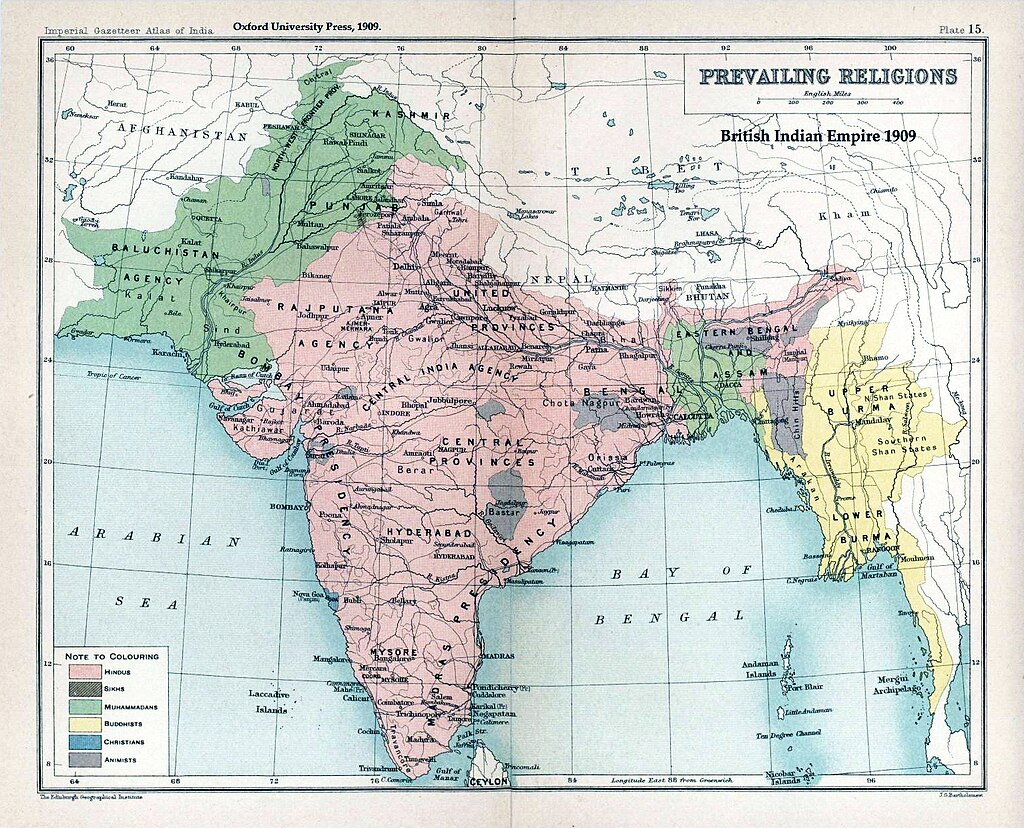
Colonial Dream Posts: The Top Destinations for the British Empire’s Governors and Officers 🌍✨

1. India: The “Heaven-Born” Service 🇮🇳

Salary: £4,000/year by the 1920s, tax-free, plus a staff of forty
Perks: Month-long cold-weather leave in the Nilgiris, tiger shoots with maharajas, and the possibility of a knighthood or even a marble statue in Calcutta’s Maidan
Vibe check: Philip Mason, ICS, described the first view of Simla’s cedar ridges as stepping into an oil painting commissioned by God and finished by Kipling


2. Ceylon (Sri Lanka): The Island 🌴

Climate: 75°F year-round, low malaria risk
Money: Plantation allowances from cinnamon, tea, and rubber profits could double an official’s salary
Social life: Galle Face Hotel Saturday dances, barefoot waltzing in the sea breeze
Quote: Sir Robert Brownrigg, Governor 1812–20, called it the only colony where a man may govern in white linen from morning to night without once perspiring


3. Singapore & Federated Malay States 🌊

Why it mattered: Singapore was the empire’s hinge; a cable home took twelve days not twelve weeks
Bonus: The Sultan of Johor kept a private yacht on permanent standby for colonial weekends
Retirement hack: Buy a rubber estate and live off the 1920s pound-a-pound boom


4. Hong Kong 🏙️

Status: Cosmopolitan swagger, Victoria Harbour by dusk, jazz at the Peninsula Hotel
Money: The opium monopoly alone funded 40% of government revenue; senior officials skimmed personal allowances on top
Warning: Summer humidity could kill, but typhoon parties made legends

5. Mauritius & Seychelles 🐠

The quiet prize: Perfect for convalescence or if you had fallen politically out of favor, nobody minded
Pastimes: Deep-sea marlin fishing, palm-fringed beach bungalows, vanilla crème brûlée at Government House dinners


6. Kenya Colony 🦁

Why elite loved it: 1,000-acre settler farms, polo at 6,000 ft, and the Happy Valley set trading gossip faster than the telegraph
Governor’s digs: Government House, Nairobi, rose gardens, a mini-Ascot race-track, staff in white kanzus
Caveat: Lion attacks on the lawn were a résumé item


7. Southern Rhodesia (Sth Africa) 🏞️

Appeal: Dry, malaria-free highveld, an English June that lasts all year
Career hack: Second-class clerks could buy cattle ranches on civil-service credit and retire at 45


8. The Caribbean Fringe (Jamaica & Bahamas) 🍹

Posh exile: For younger sons who needed to look busy but preferred rum sours to paperwork
Perk: A Royal Mail steamer to Manhattan every fortnight, perfect for Christmas shopping at Tiffany’s

The Data Behind the List📜

No colonial office happiness survey existed. This ranking comes from:

  • Pay & leave tables: Colonial Office List 1890–1939
  • Memoirs: Mason’s The Men Who Ruled India, Elspeth Huxley’s The Flame Trees of Thika, Sir Hugh Clifford’s private letters
  • Telegram traffic: Request transfer to Mauritius, climate imperative appears 17 times in CO archives 1919–1927